Crown Hair Transplant

Comparison of FUE, DHI, and Bio-Enhanced FUE Techniques for Crown Restoration

DHI (Direct Hair Implantation) is a specialized variation of the FUE technique used for crown hair restoration. In this process, hair follicles are harvested following the standard FUE procedure and then implanted directly into the crown using a specialized tool called the Choi pen.

Therefore, the primary difference between DHI and FUE for a crown hair transplant lies in the technique used to insert the hair follicles into the crown area, while the extraction process remains identical.

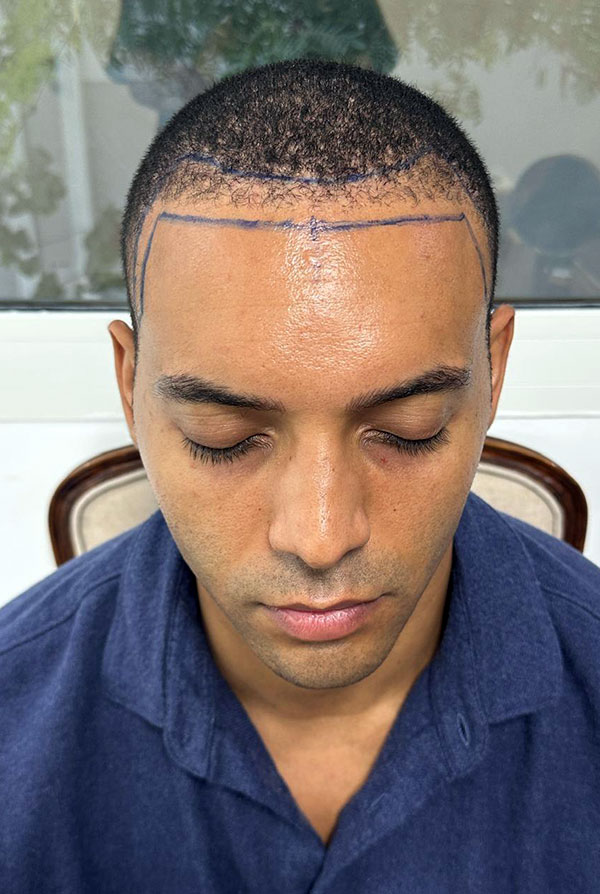
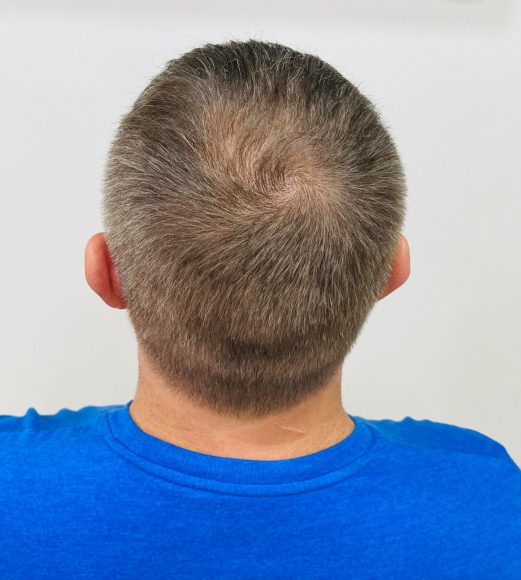
  • FUE in Crown Restorations: Hair follicles are individually extracted from the donor site using a micro-punch tool. Small, strategic incisions are then created in the crown area following the natural, radial growth pattern (whorl) of the crown, and the grafts are implanted one by one until the desired density is achieved.

  • DHI in Crown Restorations: Using the Choi pen, hair follicles are directly implanted into the crown area without requiring pre-made incisions. The grafts are loaded into the pen and placed directly into the scalp, allowing for precise control over the natural angle, depth, and direction needed for crown whorl placement.

Bio-Enhanced FUE for Crown Hair Loss: How It Works

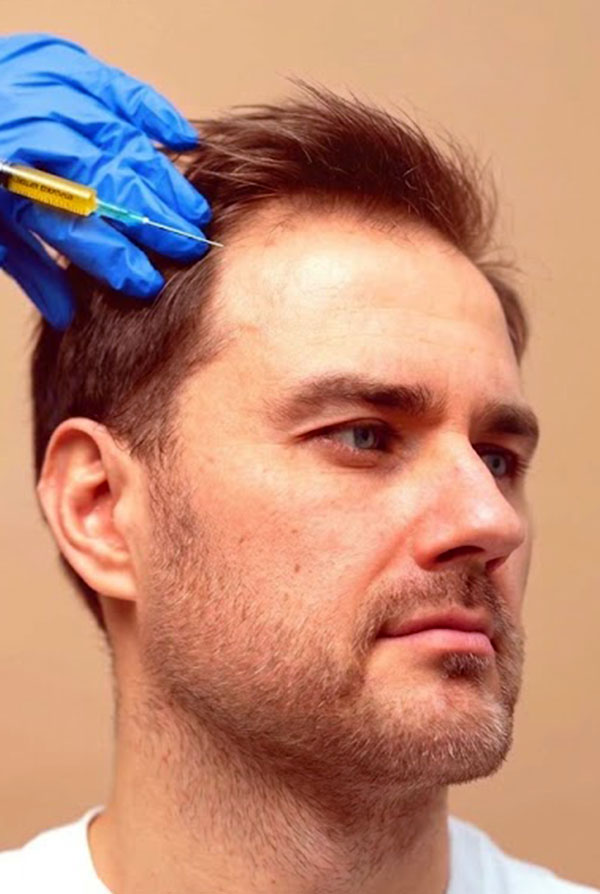
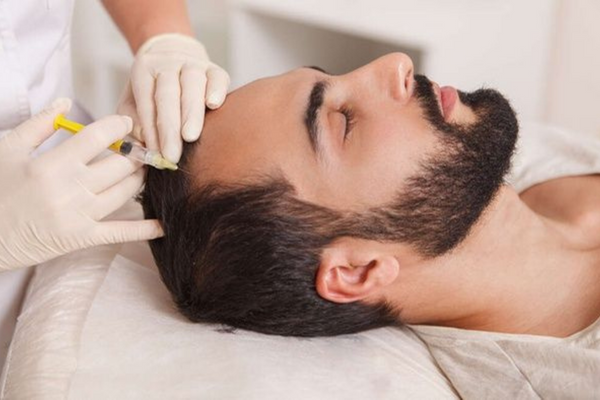
Bio-Enhanced FUE is an advanced biotechnological approach designed to maximize graft survival and growth in the crown area by combining three key therapies: traditional FUE, Platelet-Rich Plasma (PRP), and Stem Cell Therapy. PRP derived from the patient’s own blood is applied to the scalp to stimulate dormant follicles, boost circulation, and enhance graft survival in the crown.

The hair stem cell therapy component involves a two-step process:

  1. Stem Cell Extraction & Nurturing: Individual hair follicles containing rich stem cells are extracted from the donor area using a small punch tool. These harvested stem cells are placed in a specialized bioreactor growth medium enriched with nutrients to keep them optimal prior to placement.

  2. Targeted Injections: The enriched stem cells are injected into both the newly transplanted crown region and the donor area to accelerate healing and deliver dense, natural-looking results.

Whether choosing FUE, DHI, or Bio-Enhanced FUE for crown restoration, the ultimate success of the procedure depends far less on the specific device used and far more on the skill, artistic judgment, and surgical experience of the surgeon and their medical team in recreating the natural spiral pattern of the crown.

Higher patient satisfaction and higher in density results

Since we started treating our patients with the Bio-enhanced FUE hair transplant method, we have observed that our patients are receiving higher density results with a more natural look. They are very satisfied and enjoying the new restored look. Our clinic is based in Dubai (world Central) & we have treated several international celebrities, royal sheikhs & their families, politicians, international athletes and sports persons. We are excited to greet & welcome more international stars and celebrities in our clinic.

What Our Patients Say

Real Stories & Experiences from Our Valued Patients

Frequently asked questions

01

What is a hair transplant?

A hair transplant is a minor surgical procedure that involves removing hair follicles from one part of the scalp (typically the back or sides) and transplanting them to a bald area or where there is hair thinning.

02

Who are the good candidates for a hair transplant?

Good candidates for hair transplant are those who have a stable hair loss pattern, adequate donor hair supply, and realistic expectations about the outcome of the procedure. Patients should also be in good health and have no underlying medical conditions that could complicate the surgery.

03

What is the rate of success for a hair transplant procedure?

The success rate of a hair transplant depends on various factors such as the technique used, the skill of the surgeon, and the patient’s adherence to post-operative instructions. Generally, hair transplant procedures have a success rate of around 90%.

04

What is the best technique for hair transplant?

Answer of this question is not easy and simple, as each technique has its own advantages. Currently Bio-enhanced FUE is the most updated and advanced technique which offer more promising results, however, it is essential to have a personalized consultation with a hair restoration specialist to determine which procedure is most appropriate for your specific case, taking into consideration your individual goals and long-term satisfaction.

Additionally, it’s NOT much the technique. That is the method/way to perform the procedure with latest technology. It’s a surgeon and his team, their mutual EXPERIENCE. That is what gives you RESULT.

05

Will a hair transplant last forever?

Hair transplants are generally considered to be a permanent solution for hair loss, as the transplanted hair is taken from a donor area that is resistant to balding. Hair is genetically programmed for life in the donor area and they keep the same memory after shifting to a new place.

06

What is ARTAS Robotic Hair Restoration?

The ARTAS Robot is a robotic hair transplant system designed to assist physicians in performing hair restoration procedures.

The ARTAS system utilizes advanced algorithms, 3D imaging, and precision robotics to assist the surgeon in the follicular unit extraction (FUE) process. During the procedure, the system uses artificial intelligence and image-guided robotics to identify and select individual hair follicles from the patient’s donor area and extract them with a high level of accuracy and consistency. The harvested hair follicles can then be transplanted to the recipient area, where they will grow and provide natural-looking hair restoration results.

07

How do FUE and FUT techniques differ from each other?

FUE (follicular unit extraction) and FUT (follicular unit transplantation) are two different techniques for harvesting hair follicles. FUE involves removing individual follicles one by one using a small punch tool, while FUT involves removing a strip of scalp from the donor area and then dissecting it into individual follicles. FUE leaves tiny, scattered scars while FUT results in a linear scar.

08

Is a hair transplant painful?

Hair transplant procedures are typically performed under local anesthesia, so patients should not experience any pain during the procedure. However, some discomfort or mild pain may be felt during the recovery period.

09

How long does a hair transplant procedure take?

The length of the procedure depends on the number of grafts being transplanted, the technique used, and the experience of the surgeon. Typically, a hair transplant procedure can take anywhere from 4-10 hours.

10

What is the recovery period post hair transplant?

The recovery time after a hair transplant varies from patient to patient, but most people are able to return to work within a few days to a week after the procedure. However, patient can still feel minor numbness, itching and sensation for a month time.

11

Will transplanted hair look natural?

Transplanted hair can look very natural when performed by an experienced surgeon. The surgeon should take into account the natural hairline, hair density, and hair direction to create a natural-looking result.

12

Is it possible to use another person's hair for hair restoration?

Unfortunately it is not a recommended and currently it’s not possible to transfer hair follicles from one person to another due to the genetic differences between individuals. Although there is ongoing research in donor transfer, it is still in its initial phases of development.

13

What are the risks and potential complications of a hair transplant?

The risks and potential complications of a hair transplant procedure include bleeding, infection, scarring, swelling, and shock loss (temporary hair loss around the transplanted area). These risks are generally low when the procedure is performed by an experienced surgeon in a sterile environment.

14

Can I have a hair transplant if I have a receding hairline?

Yes, a hair transplant can be a good option for those with a receding hairline. The surgeon can create a natural-looking hairline by transplanting hair follicles in a pattern that matches the patient’s existing hairline.

15

Is it possible for me to get a fuller head of hair?

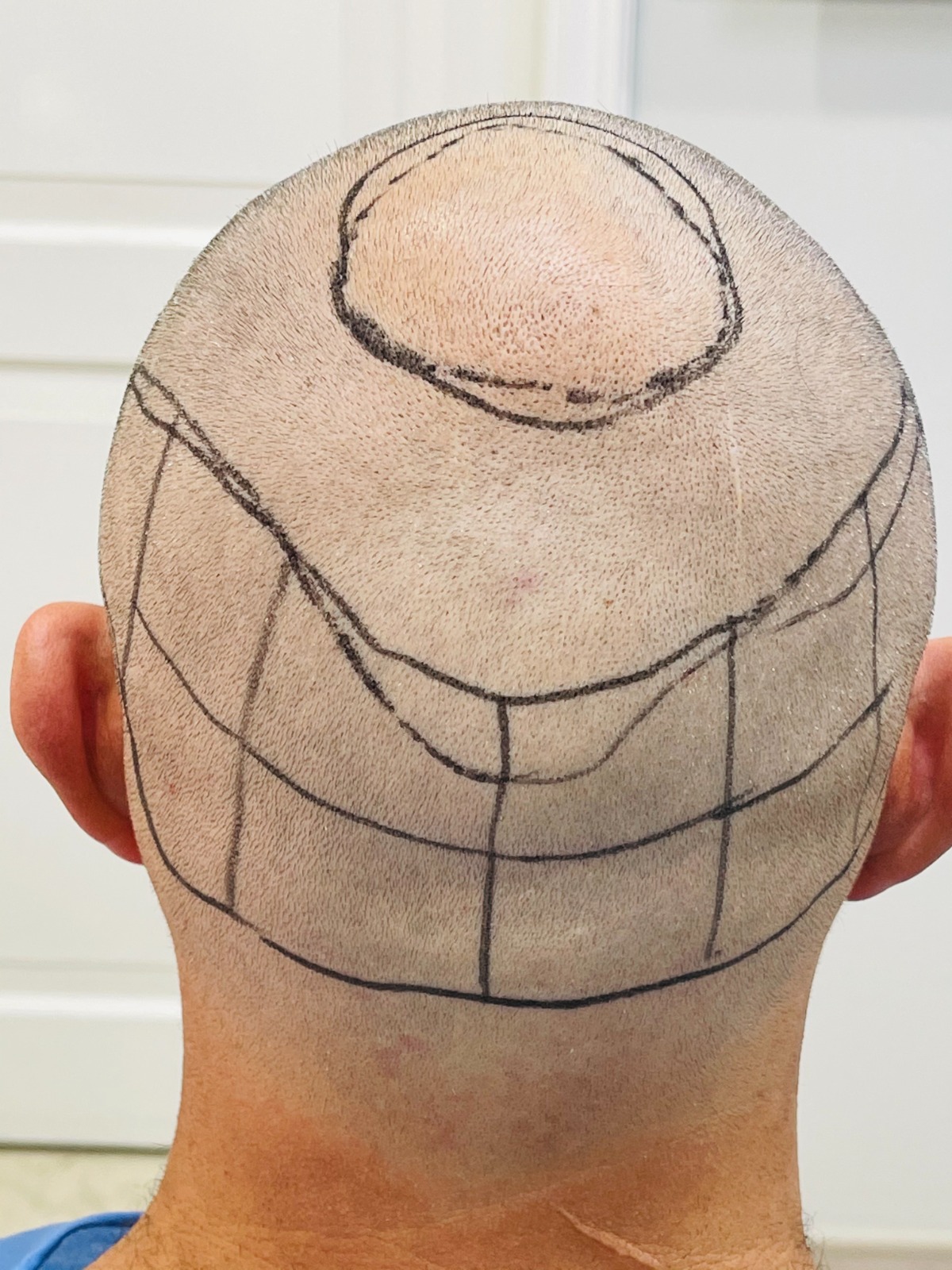
The aim of hair transplantation is to create the appearance of density, and it is not be possible to replace all lost hair due to limitations in the donor area. This procedure provides extremely natural results but it’s an illusion of maximum density. A skilled surgeon can utilize the correct surgical approach and artistic techniques to transplant hair at the most cosmetically beneficial angle, depth, and direction to create the illusion of maximum density. It is worth noting that many men lose up to 40% of their hair before noticing any thinning and seeking medical intervention. The extent of hair loss, as well as the characteristics and strength of the donor area, will determine the potential for full restoration through hair transplantation, as it ultimately depends on the balance between supply and demand.

16

How much does a hair transplant cost?

The cost of a hair transplant can vary depending on the quality services, the technique used, the quality instruments used, the experience of the surgeon as well as his team, and the geographic location of the clinic. In the United States, the cost of a hair transplant can range from $4,000 to $15,000 or more.

17

Why Bio-FUE is a better option than traditional FUE?

Bio-FUE, or bio-enhanced FUE, is a hair transplant technique that combines traditional FUE with the use of platelet-rich plasma (PRP) and stem cell therapy. While both FUE and bio-FUE can be effective hair transplant techniques, there are several reasons why bio-FUE may be a better option for some patients:

Improved healing: The PRP injections used in bio-FUE can help reduce inflammation and promote faster healing of the scalp. This can lead to less discomfort and a quicker recovery time for patients.

Higher graft survival rate: The growth factors and other healing properties in PRP can help improve the survival rate of transplanted hair follicles. This means that patients may experience better overall results with bio-FUE compared to traditional FUE.

Natural-looking results: Bio-FUE produces natural-looking hair growth that blends seamlessly with the patient’s existing hair. The use of PRP can help stimulate the growth of new hair and promote thicker, healthier hair growth.

Reduced scarring: While both techniques leave minimal scarring, the use of PRP in bio-FUE can help reduce scarring even further. This can be especially beneficial for patients who want to wear their hair short or shaved.

Enhanced hair density: The use of PRP in bio-FUE can help promote hair growth and increase hair density in the transplanted area. This can lead to a fuller, more natural-looking head of hair.
18

Is it possible for me to do more than one procedure?

Yes, it is possible to have multiple hair transplant procedures. The number of procedures that a patient may need or desire depends on various factors, including the extent of hair loss, the patient’s individual goals, and the availability of donor hair. In some cases, patients may choose to have additional procedures to achieve more significant coverage or to address ongoing hair loss. It is crucial to consult with a hair restoration specialist to determine the most appropriate course of action for your specific case.

19

Will FUE technique leave scars in the donor area?

After an FUE (Follicular Unit Extraction) procedure, the donor area will typically appear as small round scars scattered throughout the donor area. However, these scars are usually small enough to be concealed by the surrounding hair, and they tend to fade over time. In few months’ time these scars hardly detectable and in a year time those tiny scars will be completely unnoticeable under your hair.

20

What medicine and aftercare is needed?

The post-operative care required after a hair transplant typically involves the use of antibiotics, and anti-inflammatory tablets for a week.

Patients are advised to avoid any strenuous activities and to keep the scalp clean during the first week following the instructions. They should also avoid alcohol, smoking, and exposure to direct sunlight.

Additionally, patients are advised to follow specific aftercare instructions provided by their surgeon. This may include the use of special shampoos, gentle washing techniques, and the avoidance of certain hair styling products. It is essential to follow these instructions closely to ensure the best possible outcome of the procedure.

21

Can I resume my work and play sports right after the procedure?

It is generally recommended to take some time off work and avoid rigorous physical activities immediately after a hair transplant procedure. Most patients can return to work within a few days, depending on the nature of their work and the extent of the procedure. However, it is recommended to avoid strenuous activities and heavy lifting for at least a week after the procedure to allow the scalp to heal properly.

Patients should also avoid sports and other physical activities that may cause sweating or friction to the scalp for at least a week after the procedure. After the first week, patients can gradually resume light exercises and gradually increase intensity over time as recommended by their surgeon.

It is important to follow your surgeon’s aftercare instructions and recommendations regarding when to resume work and physical activities to ensure a successful and safe recovery.

Elite Team

The device itself is not as significant alone. It’s just the tool utilized during the procedure. What truly matters is the surgeon and his team, their combined skill and experience. This is what leads to successful hair transplant results.”

Dr. Faisal Salim
Dr. Imran Tahir
Mr. Adil Chowdry

Our Advanced Hair Restoration Services

GET IN TOUCH

Book Your Consultation

Please submit the form below and our team will contact you to schedule your consultation